
Blog · Stains & Finishes
Restore Hardwood Floors to Perfection: How to Repair Damaged Hardwood Floors
Hardwood floors add timeless beauty and warmth to any home. Over time, however, they can suffer from scratches, dents, water damage, and general wear and…
By David Brannan · Published January 21, 2026 · Updated August 2, 2026 · 5 min read
- Hundreds of Five-Star Reviews
- Featured on TV Multiple Times
- 25 Years of Experience
- Insured & Family Owned
Hardwood floors add timeless beauty and warmth to any home. Over time, however, they can suffer from scratches, dents, water damage, and general wear and tear. Restoring hardwood floors to perfection requires the right approach, tools, and knowledge. Whether you want to refresh a few damaged spots or completely revitalize your flooring, this guide will walk you through practical steps to bring your hardwood floors back to life.
How to Repair Damaged Hardwood Floors: Essential Tips and Techniques
Repairing damaged hardwood floors starts with identifying the type and extent of damage. Common issues include surface scratches, deep gouges, water stains, and loose boards. Here are some effective methods to repair these problems:
- Surface scratches: Use a wood stain marker or a wax filler stick that matches your floor color. Apply gently and buff with a soft cloth.
- Deep gouges or dents: Fill with wood filler or putty, then sand smooth once dry. Refinish the area with matching stain and sealant.
- Water stains: Light stains can be treated with a mixture of baking soda and water or hydrogen peroxide applied carefully. For severe stains, sanding and refinishing may be necessary.
- Loose or squeaky boards: Secure loose boards with finishing nails or screws. Use wood glue for minor gaps and clamp until dry. Check out squeak no more screws on Amazon. They work well in some cases.
Regular cleaning and maintenance also help prevent damage. Use a soft broom or vacuum with a hardwood floor attachment to avoid scratches. Avoid excessive water when mopping and use floor protectors under furniture.
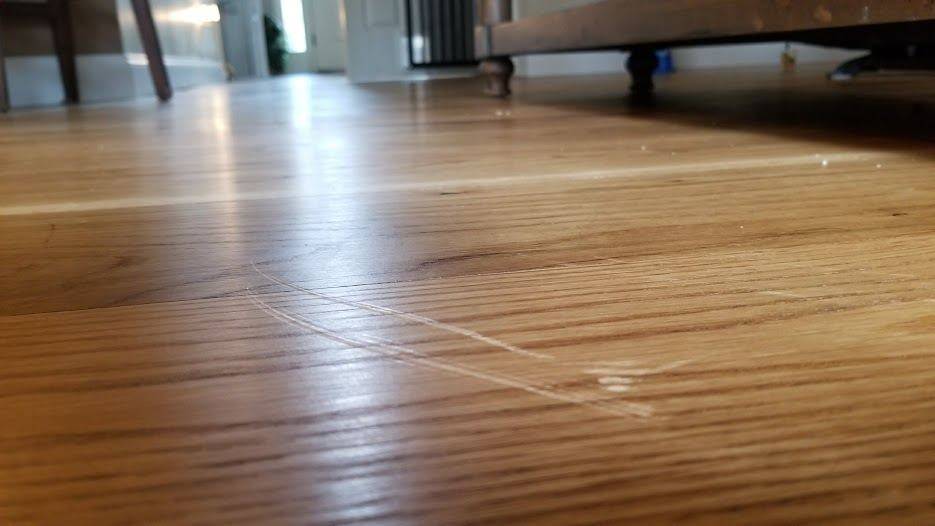
Close-up of a scratched hardwood floor showing surface damage
Tools and Materials Needed for Hardwood Floor Repair
Before starting any repair work, gather the necessary tools and materials to ensure a smooth process. Here’s a checklist of what you might need:
- Sandpaper (various grits)
- Wood filler or putty
- Putty knife
- Wood stain or touch-up markers
- Clear polyurethane or floor finish
- Soft cloths and brushes
- Hammer and finishing nails or screws
- Wood glue and clamps
- Vacuum or broom for cleaning dust
Having these items ready will help you efficiently tackle different types of damage. For larger repairs or refinishing projects, renting a floor sander can save time and provide professional results.
Is it Cheaper to Repair or Replace Hardwood Floors?
Deciding whether to repair or replace hardwood floors depends on several factors including the age of the floor, extent of damage, and budget. Here are some considerations:
- Cost of repair: Minor scratches, dents, and small damaged areas can often be fixed with simple repairs costing a fraction of replacement.
- Extent of damage: If large sections are warped, water-damaged, or structurally compromised, replacement might be more cost-effective in the long run.
- Floor age and style: Older floors with unique wood types or patterns may be worth repairing to preserve character.
- Labor and materials: Refinishing a floor involves sanding, staining, and sealing, which can be costly but less than full replacement.
In many cases, professional hardwood floor repair services can restore floors to near-new condition without the expense of replacement. It’s best to get an assessment from a flooring expert to weigh your options.
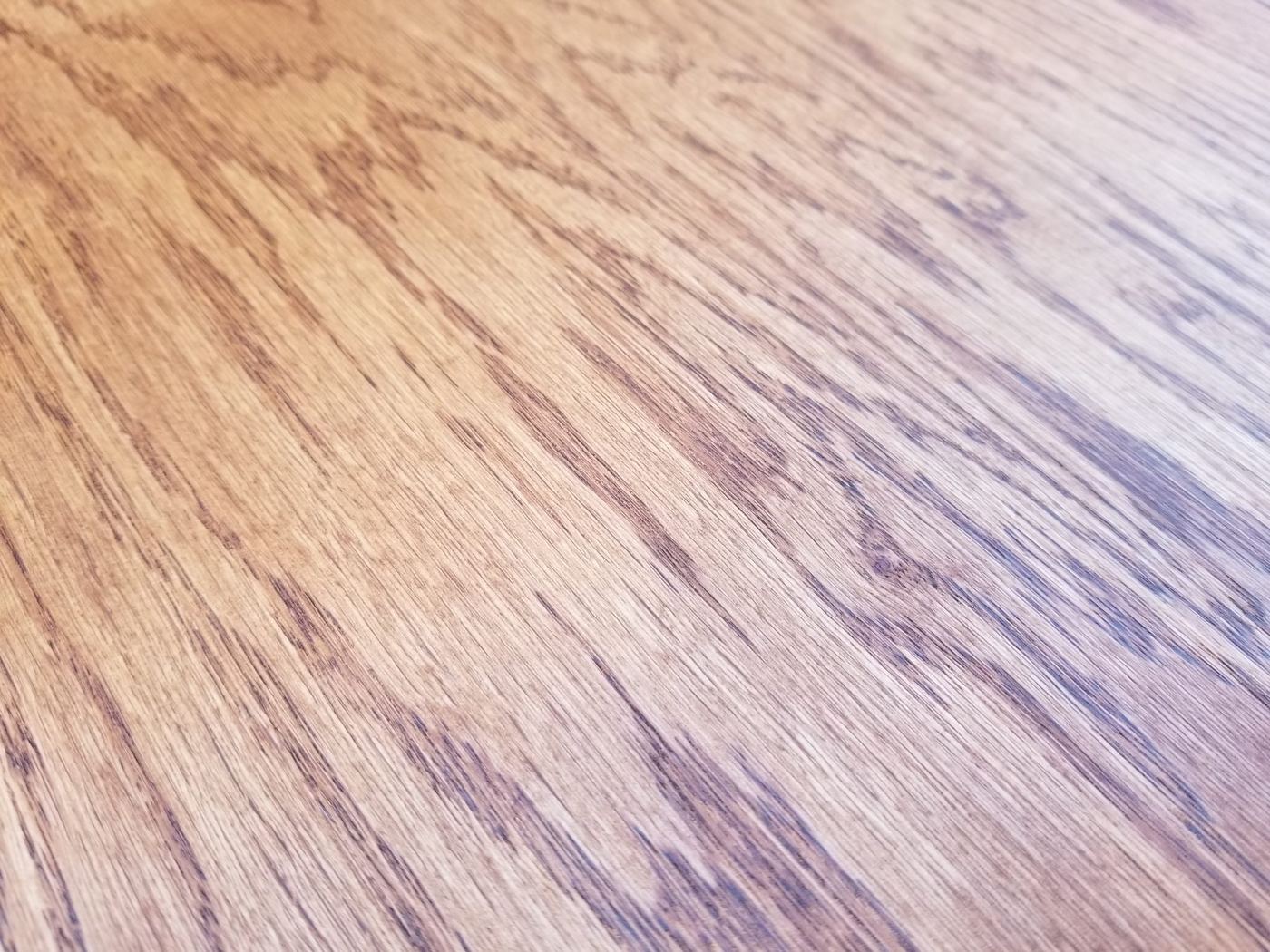
Want to See These Finishes on Your Own Floor?
We bring real stain and finish samples to every free estimate, so you can see the look before committing to it.
Step-by-Step Guide to Refinishing Hardwood Floors
Refinishing is a popular way to restore hardwood floors to their original beauty. It involves sanding off the old finish, repairing damage, and applying new stain and sealant. Follow these steps for a successful refinishing project:
- Clear the room: Remove all furniture, rugs, and debris.
- Clean the floor: Sweep and vacuum thoroughly to remove dust and dirt.
- Sand the floor: Use a drum sander for large areas and an edge sander for corners. Start with coarse grit sandpaper and progress to finer grits.
- Repair damage: Fill cracks, holes, and dents with wood filler. Let dry and sand smooth.
- Remove dust: Vacuum and wipe the floor with a damp cloth to remove all sanding dust.
- Apply stain: Use a brush or rag to apply wood stain evenly. Allow to dry according to manufacturer instructions.
- Seal the floor: Apply polyurethane or another floor finish in thin, even coats. Allow drying time between coats.
- Cure time: Avoid heavy traffic for several days to let the finish cure fully.
Refinishing can dramatically improve the look of your floors and extend their lifespan.
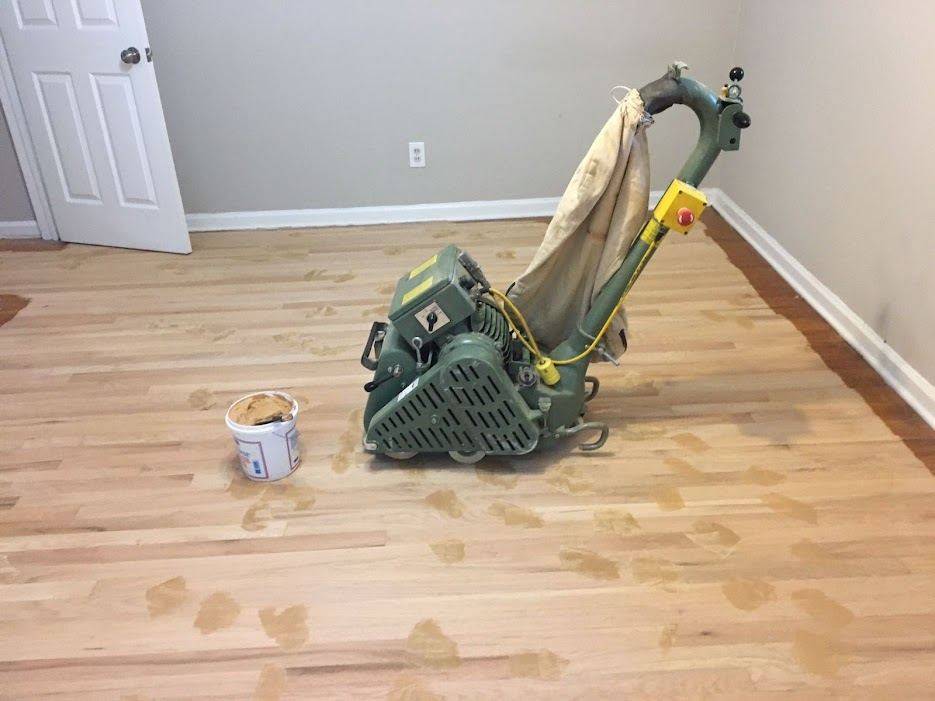
High angle view of hardwood floor sanding process during refinishing
Preventative Measures to Keep Hardwood Floors Looking New
Once your hardwood floors are restored, maintaining their beauty is key. Here are some practical tips to prevent future damage:
- Use area rugs in high-traffic zones to reduce wear.
- Place felt pads under furniture legs to avoid scratches.
- Clean spills immediately to prevent water damage.
- Avoid harsh cleaning chemicals; use products designed for hardwood floors.
- Maintain consistent indoor humidity to prevent wood from expanding or contracting.
- Regularly sweep or vacuum to remove dirt and grit that can scratch the surface.
By following these simple steps, your hardwood floors will stay beautiful and last for decades.
When to Call a Professional for Hardwood Floor Repair
While many repairs can be done by homeowners, some situations require professional expertise:
- Extensive water damage or mold issues
- Structural problems with subflooring
- Large-scale refinishing or sanding projects
- Matching complex wood patterns or finishes
- Repairing antique or exotic hardwoods
Professional contractors have the tools and experience to handle these challenges safely and effectively. If you are unsure about the scope of damage or your ability to repair it, consulting a specialist is a wise choice.
Hardwood floors in homes across Woodstock, Georgia, and nearby cities often face scratches from daily foot traffic, furniture movement, and pet activity, while water damage frequently occurs from spills, leaks, or humidity, leading to warping, buckling, staining, or cupping. These issues can diminish the floor's appearance and value but are commonly addressed through professional repair services, including spot refinishing for scratches, board replacement for severe water damage, and full sanding plus refinishing to restore the original look. This expertise is readily available in Woodstock and surrounding areas within 30 miles, such as Canton, Kennesaw, Acworth, Holly Springs, Roswell, Alpharetta, Marietta, Mountain Park, Ball Ground, and parts of Sandy Springs and Cartersville. Prompt attention helps prevent further deterioration in these communities.
Hardwood scratch water damage repair refinishing sanding buckling warping cupping staining gouging board replacement restoration moisture extraction drying dustless sanding spot repair full refinishing pet traffic furniture movement spills leaks humidity Woodstock Canton Kennesaw Acworth Holly Springs Roswell Alpharetta Marietta Mountain Park Ball Ground Sandy Springs Cartersville Buford Lawrenceville Stone Mountain Atlanta metro Cherokee County Cobb County North Georgia suburbs.
Restoring hardwood floors to perfection is achievable with the right knowledge and care. Whether you choose DIY repairs or professional help, your floors will regain their charm and durability for years to come.
Ready to Get Started?
Schedule a free on-site estimate — we’ll assess your floors and give you an honest recommendation, not a sales pitch.
Project Photos
Request a Free Estimate
Tell us about your project and we'll get back to you with an estimate — usually the same business day.
Thanks — We'll Be In Touch
A member of The Hardwood Guys team will call or text you during business hours (Mon–Fri, 7AM–5PM) to schedule your free on-site estimate.